First voyage?
Take 10% off your first order with code MOTHERSHIP10.
First voyage?
Take 10% off your first order with code MOTHERSHIP10.

Original art. Festival ready.
✍️ Design Stories
Every pattern begins as an original piece of art. A dream, an old pattern reborn, a doorway.
✍️ Design Stories
Every pattern begins as an original piece of art. A dream, an old pattern reborn, a doorway.

Wear the story.
Free shipping on orders over $100 • Mothership Markers ship free in the US

June 16, 2026 12 min read
Your first rave is mostly about three things: be kind, take care of your body, and let yourself have a good time without overthinking it. If you show up hydrated, wearing something you can dance in, with earplugs in your pocket and an open heart, you are already doing it right. Everything else is detail, and this guide is the detail.
I have spent years in these rooms, and I remember being the nervous first-timer who did not know the unwritten rules, did not know what to wear, and did not know whether I would feel like an outsider all night. So this is the version I wish someone had handed me: what a rave actually is, the culture and the social contract behind it, the etiquette that keeps the floor good, how to stay safe so you wake up fine, and what the night will genuinely feel like. No gatekeeping, no cool-kid act. Just the real thing, so you can walk in ready.
A rave, at its core, is a gathering built around electronic dance music, usually at night, usually in a dark room or a field or a warehouse, where a crowd dances together for hours to a DJ or live set. That is the simple description. The feeling is harder to put into words: a lot of people moving as one to music loud enough to feel in your chest, under lights, often in costume, in a space that, for a few hours, runs on different rules than the outside world.
What separates a rave from a regular night out is the intention behind it. The room is built for the collective experience, the sense of dissolving into the crowd and the sound. Some are tiny underground warehouse parties of a few dozen people. Some are massive festivals with tens of thousands and production you cannot believe. The scale changes everything about the logistics and nothing about the heart.
And the heart has a history worth knowing, because it shapes how the room behaves.
This part matters, and most beginner guides skip it. Rave culture did not come from nowhere, and it was not invented by the commercial EDM festivals you see now. It was built by Black and queer and Latinx communities in American cities. House music was created by Black, largely gay artists in Chicago in the late 1970s and early 1980s, in clubs and on dancefloors that were havens for people the mainstream pushed out. Techno was born from Black artists in Detroit. Pioneers like Frankie Knuckles and Ron Hardy built the sound and the spaces, and those spaces were about freedom and belonging for people who did not have much of either elsewhere.
Knowing this is not a history quiz. It is the reason the floor feels the way it does. The whole ethic of a rave, that everyone belongs, that the dancefloor is a place to be free and accepted regardless of who you are, is inherited directly from those communities. When people talk about the culture being welcoming, they are talking about something Black and queer pioneers built as a refuge. Honoring that is part of showing up right. If you want the full story, I wrote a dedicated piece on the history of rave culture that goes deep on the lineage.
If you spend any time around raves you will hear the word PLUR, and it is worth understanding because it is the closest thing the culture has to a shared code.
PLUR stands for Peace, Love, Unity, and Respect. It is the informal philosophy of how people are meant to treat each other in these spaces: look out for one another, accept people as they are, leave your judgment at the door, and contribute to the collective good mood instead of taking from it. It is why a stranger will check if you are okay, why people share water and gum and compliments freely, and why the vibe in a good crowd feels generous in a way that ordinary nightlife often does not.
The origin is genuinely charming. The phrase is most often traced to DJ Frankie Bones, a key figure in the early New York scene, who, the story goes, grabbed the mic during a fight at a Brooklyn party in the early 1990s and told the crowd that if they did not start showing some peace, love, and unity he would break their faces. The irony stuck, the words stuck, and the fourth term, respect, got added soon after. From there it spread across the scene worldwide. It started as a half-joke and became a real ethic, which is about the most rave thing that could have happened to it.
You do not need to say the word or treat it like a religion. Plenty of seasoned ravers find the term a little corny now. But the idea behind it, be decent, be generous, take care of the people around you, is the actual operating system of a good floor. Live the idea and you will fit in fine whether or not you ever say the acronym.
Here is the practical code, the stuff that makes you a good citizen of the dancefloor. None of it is complicated.
That is basically it. Be considerate, be safe, be generous. The etiquette is mostly just kindness applied to a crowded dark room.
Outfits are a real part of the culture, and the freedom is the point: people wear what makes them feel good, from a simple tee and shorts to full handmade costumes. As a first-timer you do not need anything elaborate. You need clothes you can dance and sweat in for hours, shoes you can stand in all night, and maybe one piece that makes you feel like you belong there.
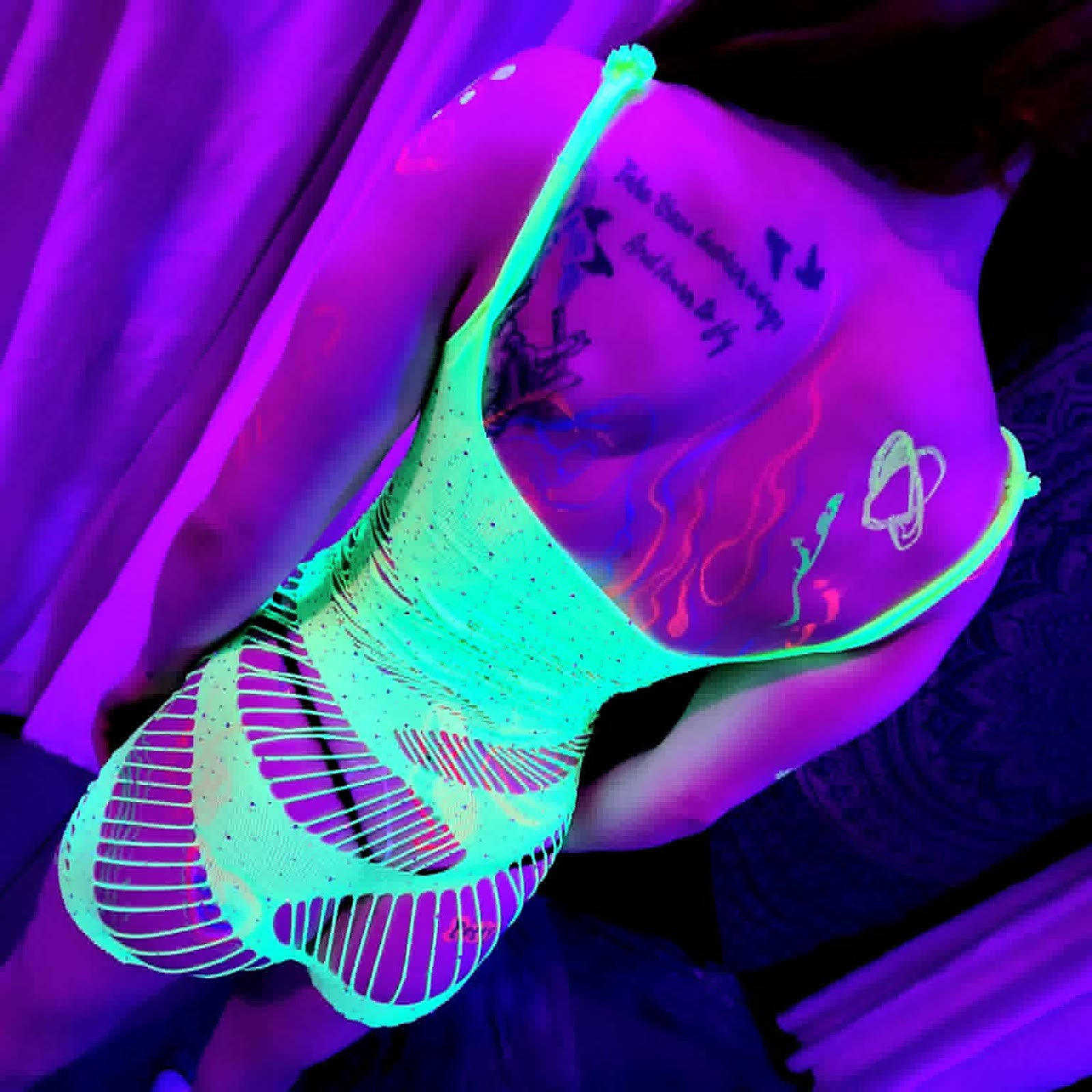
I am not going to repeat the whole outfit breakdown here because I already wrote it in detail. For the full guide to fabrics, layering, what actually survives a sweaty night, and how to build a look that photographs well, read what to wear to a music festival, which covers rave dress head to toe. If the event has blacklights or UV lighting, glowing makeup and UV body art take an outfit to another level, and the blacklight makeup guide walks through how to do it so it lasts and reads in the dark. The short version for night one: comfortable, breathable, something you can move in, broken-in shoes, and one glowing or expressive touch if you want it. Nobody is judging a first-timer for keeping it simple.
This is the section I most want you to actually read, because a great first rave is one you remember fondly and walk away from healthy. None of this is scary. It is just looking after the machine that is having all the fun.
Dancing for hours in a hot, crowded room dehydrates you fast, so water is your best friend. Drink steadily through the night, not all at once. Most events sell water or have free refill stations, so find them early. The flip side is real too: if you are using anything that affects how your body regulates temperature and thirst, it is possible to drink too much water too fast, which is also dangerous, so the goal is steady and sensible, roughly a cup every hour or so when you are dancing hard, more if it is brutally hot. Take breaks in cooler air when you feel overheated. Pacing beats heroics.
This one gets ignored and it should not, because hearing damage is permanent and raves are genuinely loud enough to cause it. Concert and rave sound levels routinely blow past the threshold where damage starts (around 85 decibels) and often sit well above it, which means you can start doing lasting harm in a surprisingly short time. The fix is cheap and easy: wear earplugs. Get a pair of musician's or "high-fidelity" earplugs, the kind designed to lower the volume evenly without muffling the music, and your ears will thank you for the rest of your life. They do not ruin the experience. They make it better, because you can dance close to the speakers without your ears ringing for two days afterward. Veterans wear them. Bring a spare pair for a friend who forgot.
The buddy system is real rave wisdom. Go with people, agree on a meeting spot in case phones die or you get separated, and check in on each other through the night. If you see someone in trouble, overheated, too intoxicated, panicking, or being hassled, help them or get them to the medical or staff team. Most events have clearly marked medical tents and harm-reduction or welfare services, and using them is normal and smart, never embarrassing. Know where they are. The culture genuinely does look after its own, and being part of that is part of the night.
Pace yourself. Whatever you are or are not doing, a first rave is long and overstimulating, and going too hard too early is the most common way to end a night badly. Keep an eye on your drink, accept open drinks only from people you trust, and do not be afraid to step outside for air and quiet when it gets to be too much. Wanting a break does not mean you are not having fun. It means you are doing it right.
One of the warmest traditions you will run into is kandi: the colorful beaded bracelets people make and wear, often with words or patterns, and trade with each other on the floor. Trading kandi comes with a small ritual, a hand gesture sequence that ends with the two of you interlocking hands and sliding the bracelet from one wrist to the other, often described as spelling out Peace, Love, Unity, Respect through the motions.
For a first-timer, kandi is one of the easiest ways to feel connected. You do not have to make any in advance. People will trade with you, and receiving a bracelet from a stranger because they liked your energy is a genuinely lovely first-rave moment. If you want to make some to give away, a handful of beads and elastic string is all it takes, and showing up with a few to trade is a sweet way to participate. It is a small, handmade economy of kindness, which tells you most of what you need to know about the culture.
Let me set your expectations honestly so nothing throws you.
It will be loud, dark, and intense, in a good way. The music will be physical, felt in your body, not just heard. The crowd will be friendlier than you expect; strangers will talk to you, compliment you, and include you. There will be moments, usually a few hours in, when the music and the crowd and the lights line up and you feel completely part of something larger than yourself. That feeling is the whole reason people keep coming back, and there is real psychology behind why dancing in a crowd feels the way it does, but you do not need the science to feel it. You just need to let yourself go.
It can also be overstimulating, especially early. The first hour can feel like a lot. That is normal. Give it time, find your spot, get a feel for the room, and you will settle in. You may feel shy or like you do not know how to dance "right." There is no right. Look around: people are moving however the music moves them, and nobody is watching you the way you fear. The freedom to dance badly and joyfully is the point.
Practically: expect to be on your feet for hours, expect lines for water and bathrooms, expect your phone to be useless for finding friends in the crush (hence the meeting spot), and expect to be tired and happy and slightly deaf-feeling at the end if you skipped the earplugs, which you will not, because you read the safety section. If it is a multi-day festival with camping, the logistics are a whole separate skill, and the festival camping guide covers sleeping, gear, and surviving the daylight hours between sets.
The errors almost every beginner makes, so you can skip them:
Dodge those and your first night will go smoother than most.
Here is the only product thought I will offer, gently, because a first rave is not the place for a hard pitch. Part of feeling ready is feeling like yourself in the room, and for a lot of people that is one expressive piece: an outfit you love, or a bit of glow that lights up when the UV comes on. I make UV-reactive markers and festival apparel for exactly that, the small finishing touch that makes you feel like you belong there on night one. But please hear the real message over the product one: you do not need to buy anything to be welcome at a rave. You need water, earplugs, comfortable shoes, and an open heart. The rest is decoration. Show up kind and let yourself have the night.
PLUR stands for Peace, Love, Unity, and Respect. It is the informal code of rave culture: look out for each other, accept people as they are, and contribute to the collective good mood. The phrase is most often traced to DJ Frankie Bones in the early New York scene in the early 1990s, and it spread across the rave world from there. You do not have to say it, but living the idea is how you fit in on a dancefloor.
Wear something you can dance and sweat in for hours, with broken-in shoes you can stand in all night, and maybe one expressive or glowing piece if you want it. You do not need an elaborate costume as a first-timer. Comfortable, breathable, and movable beats impressive and uncomfortable. If the venue has UV lighting, glowing makeup or UV body art takes a look to the next level.
Hydrate steadily (not all at once), wear high-fidelity earplugs to protect your hearing, pace yourself, and use the buddy system with an agreed meeting spot. Know where the medical and welfare services are, and use them without embarrassment if you or anyone else needs help. Look out for the people around you, which is both the etiquette and the safety plan at once.
Expect loud, physical music, a dark and intense room, and a crowd that is friendlier than you expect, with strangers talking to and including you. Expect to be on your feet for hours and possibly overstimulated in the first hour, which is normal. Most people hit a moment a few hours in where the music, lights, and crowd line up and they feel completely part of something. Give it time and let yourself go.
Yes. Raves and concerts routinely exceed the sound levels where permanent hearing damage begins (around 85 decibels) and often run well above that, so you can do lasting harm in a short time. High-fidelity or musician's earplugs lower the volume evenly without muffling the music, so you protect your hearing without losing the experience. They are cheap, and experienced ravers wear them.
Always keep exploring. The dark is not dangerous. It is waiting.